Wearables for Gym Results in Singapore
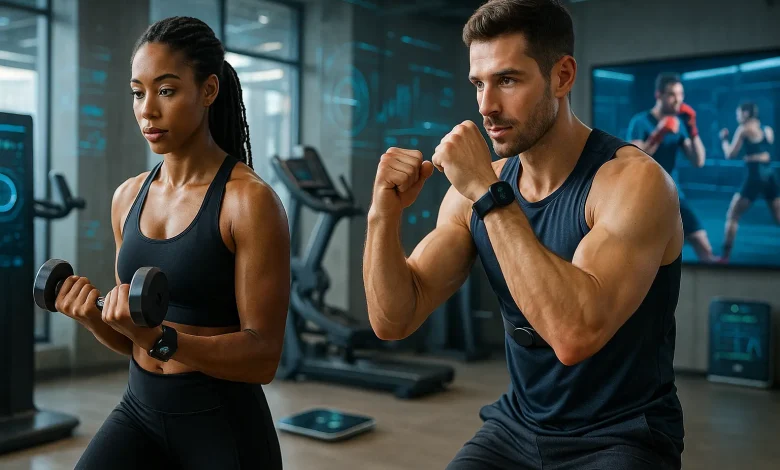
Fitness wearables are everywhere in Singapore. Watches track steps, sleep, heart rate, calories, stress scores, and even recovery readiness. Used well, these tools can improve training consistency and help you make better decisions. Used poorly, they create confusion, obsession, and a false sense of progress.
That is why people who train seriously at a gym singapore facility benefit most from a simple approach, track only what matters, review it weekly, and use data to support consistency, not to chase perfection.
This article shows you how to use wearables in a practical way to improve gym results, sleep, recovery, and daily energy, without getting stuck in over tracking.
Why most people fail with wearable tracking
Wearables collect a lot of data, but most users do not have a clear goal. If you track everything, you end up reacting emotionally to random fluctuations.
Common tracking problems
-
Checking numbers too often during the day
-
Panicking when sleep score drops once
-
Using calorie burn estimates as permission to overeat
-
Ignoring strength progression and focusing only on steps
-
Treating “stress score” as a diagnosis rather than a trend
The solution is to define a few key metrics tied to outcomes you actually care about.
The only 5 metrics that matter for most gym goals
For fat loss, muscle gain, and fitness, these are the most useful wearable driven metrics for most people.
1) Steps per day
Steps measure overall movement, which strongly affects fat loss and recovery.
A practical target for many Singaporeans is to build towards consistency rather than chasing perfect numbers.
-
Aim for a weekly average that is realistic
-
Use steps to avoid the “gym but sedentary” trap
-
Increase steps during stressful weeks when training intensity must drop
2) Resting heart rate trend
Resting heart rate is a simple marker of cardiovascular fitness and recovery status.
What matters is trend, not one day readings.
-
A gradual decrease over weeks often means better fitness
-
Sudden spikes can suggest poor sleep, illness, or excessive training
3) Sleep duration and sleep consistency
Sleep is your highest return performance habit.
Wearables can help by showing patterns:
-
Are you sleeping less on weekdays and trying to “catch up” on weekends
-
Does caffeine timing reduce deep sleep
-
Does late night training disrupt sleep onset
Do not chase perfect sleep stages. Focus on consistent bed and wake times.
4) Heart rate during cardio sessions
This is the best place to use heart rate tracking.
Instead of guessing intensity:
-
Use heart rate to stay in zone 2 on steady sessions
-
Use it to control interval intensity on hard days
-
Track progress by comparing pace at the same heart rate
5) Training load, only if you understand it
Some wearables estimate training load and recovery. This can help, but it can also mislead if you trust it blindly.
Use it as a guide, not a rule.
-
If load is rising and sleep is falling, reduce intensity
-
If load is low and energy is high, you can progress training
-
Always prioritise how your body feels plus actual gym performance
The metrics you should stop obsessing over
Many wearable metrics sound impressive but are not reliable enough for daily decision making.
Calorie burn estimates
Wearables often over or under estimate calories burned, especially for strength training.
Use them as rough information, not as a reason to eat extra.
Sleep stages and readiness scores
Sleep stage accuracy varies. Readiness can be helpful as a trend, but it is not a medical tool.
If a score is low but you feel good and performance is strong, you can still train.
Stress scores
These scores often reflect movement, heart rate variability patterns, or poor sleep. They can be useful, but they are not a diagnosis.
Watch the trend across weeks rather than reacting to one day.
Choosing the right wearable setup for gym results
You do not need the most expensive device. You need one that supports your habits.
What to look for
-
Comfortable, so you actually wear it
-
Reliable step tracking
-
Heart rate tracking that works for steady cardio
-
Clear sleep duration tracking
-
Easy weekly reports
Wrist vs chest strap for heart rate
Wrist heart rate can lag during intense intervals or when grip is tight.
If you do lots of intervals:
-
Consider a chest strap for better accuracy
If you mainly do steady cardio: -
Wrist tracking is usually sufficient
A simple weekly review system that improves results
Daily checking creates stress. Weekly review creates clarity.
The 10 minute weekly review
Once per week, review:
-
Weekly average steps
-
Average sleep duration
-
Resting heart rate trend
-
Two gym performance indicators, such as reps or load on key lifts
-
One cardio indicator, such as pace at the same heart rate
Then make one adjustment for the next week:
-
Add steps
-
Reduce late caffeine
-
Add one recovery day
-
Increase training load slightly
Small weekly improvements beat random changes.
How wearables support strength training, without overcomplicating it
Wearables do not measure strength progress directly, but they help you manage recovery so you can train harder when it matters.
Use wearables to protect progression
-
If sleep is consistently low, reduce volume for a week
-
If resting heart rate rises and energy feels low, add recovery
-
If steps are high and you feel drained, you may need more food or rest
This keeps your strength training stable and reduces injury risk.
Data driven cardio in Singapore gyms
Indoor cardio is common in Singapore due to heat and schedules. Wearables help you stay at the correct intensity.
Using heart rate for zone 2
A simple method:
-
Choose a cardio machine you can repeat weekly
-
Keep heart rate in a steady range where you can still talk
-
Track distance or pace at the same heart rate
-
Aim for gradual improvement without pushing harder every session
This improves cardiovascular fitness without burnout.
Privacy and data awareness
Wearables collect sensitive personal data. Even if you do not feel concerned, basic awareness helps.
Practical privacy habits
-
Review what apps have access to your wearable data
-
Avoid sharing detailed location or health data publicly
-
Use strong passwords and secure accounts
-
If you use corporate devices, check company policies
These steps protect your information with minimal effort.
The best results come from combining data with a consistent gym routine
Wearables support habits, but they cannot replace good training. The biggest driver of results is still consistent progressive workouts and recovery routines.
Many people find that having a stable training base at True Fitness Singapore makes wearable data far more useful, because your routine is consistent enough for trends to be meaningful.
Real life FAQ
FAQ 1: Which is more important for fat loss, steps or gym sessions?
Both matter, but steps often determine weekly calorie balance. Gym sessions build muscle and improve metabolism, while steps prevent you from being sedentary. A strong combination is 3 strength sessions per week plus a consistent step target.
FAQ 2: Why does my wearable calorie burn feel inaccurate?
Wearables estimate calorie burn using heart rate, movement, and personal data. Strength training, stress, and wrist sensor limitations can make estimates inaccurate. Use calorie burn as rough context, not a precise number.
FAQ 3: What should I track if I want muscle gain?
Track strength progression in the gym first, then sleep duration and resting heart rate. Steps matter too, but muscle gain depends more on training progression, protein intake, and recovery consistency.
FAQ 4: How do I use wearables without becoming obsessive?
Limit checking to once or twice daily and do a weekly review. Focus on trend lines, not daily fluctuations. If a metric increases anxiety, remove it from your dashboard.
FAQ 5: Should I buy a chest strap for better accuracy?
If you do frequent high intensity intervals, a chest strap can improve heart rate accuracy. If you mainly do strength training and steady cardio, wrist tracking is usually enough.
FAQ 6: My sleep score is low but I feel okay. Should I skip training?
Not automatically. Use sleep score as a guide. If you feel strong and your warm up feels good, train. If you feel heavy, irritable, or unusually fatigued, reduce volume or switch to lighter cardio and mobility.