How Smart Gym Tech Improves Training Results in Singapore
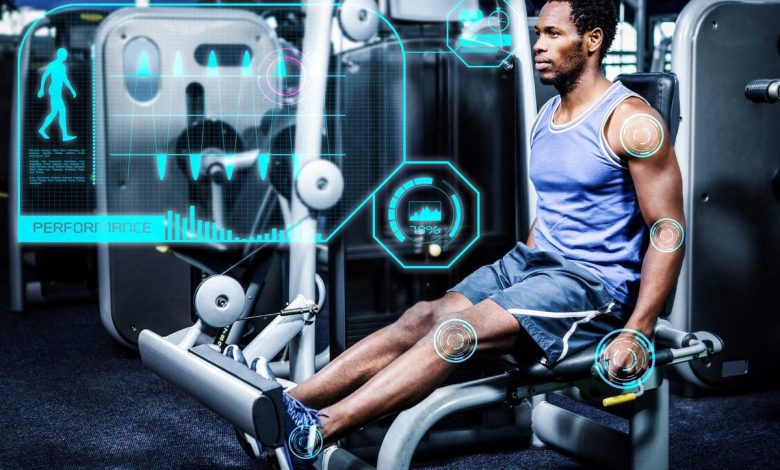
Technology has quietly reshaped how people train, recover, and stay consistent with fitness in Singapore. What used to rely on guesswork and generic routines is now supported by data, feedback, and intelligent systems that adapt to individual needs. For many people, choosing the best gym in singapore is no longer just about location or equipment. It is about how effectively technology is used to enhance real results, not distract from them.
Smart gym technology is not about flashy screens or complicated apps. When applied properly, it helps people train with intention, manage recovery, and stay accountable in a fast-paced environment where time and energy are limited.
The Shift From Guesswork to Data-Driven Training
Traditional gym routines often rely on how someone feels on a given day. While intuition matters, it can also lead to undertraining, overtraining, or inconsistent effort. Smart gym technology fills this gap by providing objective feedback.
Data-driven training focuses on:
-
Tracking effort instead of relying on motivation
-
Measuring progress beyond body weight
-
Adjusting intensity based on real performance
This shift allows people to train more efficiently, especially those balancing demanding work schedules in Singapore.
Wearables and Heart Rate Monitoring in Structured Training
Wearable technology has become one of the most influential tools in modern gyms. Heart rate monitors and fitness trackers provide immediate insight into how the body responds to training stress.
Used correctly, heart rate data helps with:
-
Identifying optimal training zones
-
Preventing excessive fatigue
-
Improving cardiovascular efficiency
Instead of pushing blindly, members learn when to work harder and when to recover, leading to better long-term results.
Performance Tracking That Goes Beyond Aesthetics
One of the biggest benefits of smart gym technology is the shift away from appearance-only goals. Performance metrics provide more meaningful indicators of progress.
Commonly tracked data includes:
-
Strength improvements across key movements
-
Endurance capacity over time
-
Consistency and session completion rates
These metrics build confidence and motivation, especially for people who may not see immediate visual changes.
Real-Time Feedback Improves Movement Quality
Poor movement mechanics reduce training effectiveness and increase injury risk. Smart gym systems often integrate real-time feedback to improve technique awareness.
This can involve:
-
Visual cues during training
-
Coach-guided corrections supported by data
-
Movement tracking for consistency
Better movement quality means safer training and more efficient results.
Recovery Tracking as a Performance Tool
Recovery is no longer treated as an afterthought. Smart gym technology helps people understand how well they are recovering between sessions.
Recovery-focused data may include:
-
Heart rate variability trends
-
Resting heart rate changes
-
Sleep quality indicators
When recovery is monitored, training can be adjusted proactively rather than reactively.
Managing Training Load for Busy Lifestyles
One of the biggest challenges in Singapore is balancing fitness with work and personal commitments. Smart gym technology helps manage training load intelligently.
This approach supports:
-
Sustainable training intensity
-
Reduced burnout risk
-
Better adherence during busy periods
Instead of forcing workouts, technology allows training to adapt to real-life constraints.
Accountability Through Measurable Consistency
Consistency is often the biggest predictor of success. Smart gym systems make consistency visible, turning attendance and effort into tangible metrics.
This accountability helps by:
-
Highlighting training patterns
-
Reinforcing positive habits
-
Reducing reliance on motivation alone
When progress is tracked objectively, commitment becomes easier to maintain.
Personalisation Without Complexity
Technology does not need to be complicated to be effective. The best gym environments use technology to simplify decision-making rather than overwhelm members.
Personalisation through smart systems includes:
-
Adjusting intensity based on past sessions
-
Tailoring progression to individual capacity
-
Supporting different fitness levels within the same structure
This ensures that training remains inclusive and effective.
Injury Prevention Through Load Awareness
Overuse injuries often occur when people increase intensity too quickly. Smart gym technology helps manage this risk by tracking workload over time.
Load awareness allows:
-
Gradual progression rather than sudden spikes
-
Better planning around recovery days
-
Early identification of fatigue patterns
This proactive approach supports longevity in training.
Motivation Through Visible Progress
Motivation often fades when progress feels invisible. Technology solves this by making improvements measurable and visible.
Seeing data trends helps people:
-
Stay engaged during plateaus
-
Celebrate non-visual wins
-
Maintain momentum over months
This is especially valuable for those training for health rather than aesthetics.
Integrating Technology With Human Coaching
Technology works best when paired with experienced coaching. Data provides information, but interpretation turns information into action.
Effective gyms use technology to:
-
Support coaching decisions
-
Enhance communication with members
-
Reinforce proper training habits
This balance ensures technology remains a tool, not a distraction.
Training Efficiency in Time-Constrained Environments
Time efficiency is critical in Singapore. Smart gym technology improves efficiency by reducing wasted effort.
Efficient training involves:
-
Clear session objectives
-
Appropriate intensity levels
-
Minimal trial and error
This allows people to achieve more in less time without compromising recovery.
Building Long-Term Fitness Literacy
Beyond immediate results, smart gym technology educates members about their own bodies. Over time, people become more aware of how sleep, stress, and nutrition affect training.
This fitness literacy leads to:
-
Better self-regulation
-
Improved lifestyle choices
-
More sustainable training habits
Knowledge empowers people to take ownership of their health.
Technology That Supports, Not Distracts
The best gym environments use technology quietly and purposefully. Screens and data should enhance focus, not pull attention away from training quality.
Effective implementation focuses on:
-
Relevant metrics only
-
Clear, actionable feedback
-
Seamless integration into sessions
This keeps training grounded and intentional.
A Smarter Approach to Training in Singapore
As fitness expectations evolve, technology plays a key role in delivering consistent, measurable results. When used thoughtfully, it bridges the gap between effort and outcome.
For those seeking a gym environment where technology enhances structure, accountability, and long-term progress, TFX Singapore reflects an approach that integrates smart systems without losing the human element of training.
FAQ: Smart Gym Technology and Training Results
Do I need to be tech-savvy to benefit from smart gym systems?
No. Well-designed systems are intuitive and guided, requiring minimal technical knowledge from members.
Can smart gym technology help beginners and experienced trainees alike?
Yes. Data-driven training adapts to different fitness levels by adjusting intensity and progression.
Is wearable data always accurate?
While not perfect, wearables provide reliable trends that are useful when interpreted correctly over time.
Does technology replace the need for coaching?
No. Technology supports coaching but does not replace human judgement and experience.
Can smart gym tech help prevent overtraining?
Yes. Monitoring workload and recovery helps identify fatigue before it leads to injury or burnout.
Is data tracking necessary for good results?
It is not mandatory, but it significantly improves consistency, awareness, and efficiency.
How often should performance data be reviewed?
Regular reviews every few weeks help adjust training while avoiding overanalysis.
Does smart gym technology improve motivation?
Yes. Visible progress and feedback often increase engagement and long-term commitment.