Latest Smartphone Features You Should Explore
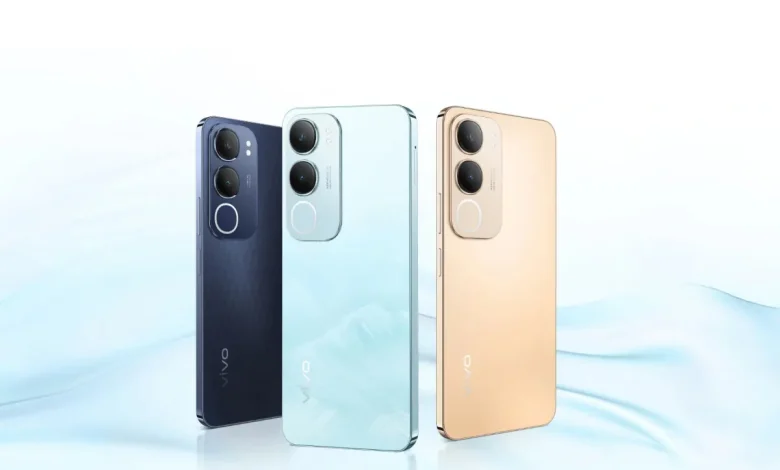
Smartphones are no longer just communication devices. They have become powerful personal assistants, productivity tools, entertainment hubs, and even creative studios that fit in your pocket. Each year, manufacturers introduce new features that improve speed, usability, photography, security, and convenience. Many users upgrade their devices but never fully explore what their phones are capable of doing.
Understanding the latest smartphone features helps you get more value from your device and stay ahead in a rapidly evolving digital environment. Whether you use your phone for business, content creation, gaming, or daily organization, these modern capabilities can significantly improve your experience.
This guide highlights the newest smartphone features worth exploring and explains how they can enhance your daily routines.
AI Powered Photography and Smart Camera Enhancements
One of the biggest areas of innovation in smartphones is camera technology. Artificial intelligence now plays a central role in how photos and videos are captured.
Modern smartphones automatically adjust camera settings using scene recognition. They detect whether you are photographing food, landscapes, pets, documents, or people and optimize exposure, color balance, and sharpness accordingly.
Key AI camera improvements include:
- Real time scene detection
- Night photography enhancement
- Automatic background blur adjustment
- Motion tracking during video recording
- Portrait lighting simulation
These features allow users to capture professional looking images without needing manual camera skills.
AI also improves image editing by suggesting adjustments instantly after photos are taken.
Advanced Night Mode for Low Light Photography
Night photography used to be one of the biggest limitations of smartphone cameras. Today, advanced night mode features combine multiple exposures to produce bright and detailed images even in dark environments.
Benefits of improved night mode include:
- Sharper low light photos
- Reduced noise and grain
- Balanced highlights and shadows
- Better color accuracy at night
This feature is especially useful for travel photography, evening events, and indoor shooting situations where lighting conditions are limited.
Foldable Displays and Flexible Screen Technology
Foldable smartphones represent one of the most exciting hardware developments in recent years. These devices provide the portability of a phone with the screen space of a tablet.
Flexible display benefits include:
- Larger viewing area for videos
- Improved multitasking capabilities
- Enhanced reading experience
- Better productivity for document editing
Some foldable phones support multiple app windows at once, allowing users to check messages, browse the internet, and watch videos simultaneously.
This design innovation is reshaping how users interact with mobile devices.
Faster Charging Technology
Battery technology continues to improve alongside faster charging capabilities. Modern smartphones now support rapid charging systems that can power devices in significantly less time than older models.
Common charging advancements include:
- Ultra fast wired charging
- Wireless charging pads
- Reverse wireless charging
- Smart battery protection systems
Reverse wireless charging allows your smartphone to charge accessories such as earbuds and smartwatches directly from the back of your device.
These features make smartphones more convenient for users with busy schedules.
Enhanced Biometric Security Features
Security remains a top priority for smartphone users. New biometric authentication methods improve both protection and accessibility.
Modern security options include:
- Facial recognition unlocking
- In display fingerprint scanning
- Voice recognition authentication
- Behavioral pattern detection
These technologies allow users to unlock devices quickly while protecting sensitive personal data.
Biometric systems are also used to secure payment apps and confidential documents stored on smartphones.
Smarter Voice Assistants With Context Awareness
Voice assistants have evolved beyond simple command recognition. They now understand context and respond more naturally to user requests.
New assistant capabilities include:
- Managing daily schedules automatically
- Sending messages using voice commands
- Controlling smart home devices
- Translating conversations in real time
- Providing navigation suggestions based on habits
These assistants learn from usage patterns and become more accurate over time.
Voice control is especially helpful for multitasking situations when hands free operation is necessary.
High Refresh Rate Displays for Smooth Performance
Display refresh rate improvements make smartphone interactions feel smoother and more responsive.
Traditional screens refresh at sixty times per second. New devices now support higher refresh rates such as ninety or one hundred twenty hertz.
Advantages include:
- Smoother scrolling
- Improved gaming performance
- Better video playback clarity
- Reduced motion blur
This feature enhances both entertainment and productivity experiences.
Once users switch to high refresh rate displays, the difference becomes immediately noticeable.
Satellite Connectivity for Emergency Communication
Some modern smartphones now include satellite connectivity features designed for emergency situations.
These systems allow users to:
- Send location updates without cellular coverage
- Contact emergency services in remote areas
- Share safety alerts with family members
This feature improves safety for travelers, hikers, and outdoor workers operating in locations without reliable signal coverage.
Satellite communication adds an extra layer of reliability to modern smartphones.
On Device AI Processing for Faster Performance
Instead of relying entirely on cloud servers, many smartphones now process artificial intelligence tasks directly on the device.
Benefits of on device AI processing include:
- Faster photo editing
- Improved voice recognition speed
- Better predictive typing accuracy
- Enhanced privacy protection
Because information is processed locally, response time improves and sensitive data remains more secure.
This advancement makes smartphones smarter without increasing dependence on internet connectivity.
Advanced Video Recording Capabilities
Smartphones are becoming powerful video production tools suitable for both casual users and professional creators.
Recent improvements include:
- Cinematic video stabilization
- Background blur effects during recording
- Automatic subject tracking
- High resolution video capture
- Improved audio clarity
These features make it easier to produce professional quality content without expensive equipment.
Video recording enhancements are especially valuable for social media creators and remote professionals.
Desktop Mode for Productivity
Some smartphones now support desktop style interfaces when connected to external displays.
This feature allows users to:
- Edit documents using keyboard support
- Manage files easily
- Open multiple windows simultaneously
- Deliver presentations directly from their phones
Desktop mode transforms smartphones into portable workstations suitable for business travel and remote work environments.
This capability reduces the need to carry additional computing devices.
Smarter Battery Optimization Systems
Battery management software has improved significantly in recent smartphone models.
Modern optimization features include:
- App usage learning systems
- Background activity control
- Adaptive charging schedules
- Power saving automation
These systems extend battery life by prioritizing essential activities and limiting unnecessary energy consumption.
Users benefit from longer usage time without manual adjustments.
Improved Privacy Control Dashboards
Privacy awareness continues to increase among smartphone users. New privacy dashboards provide greater transparency about how apps access data.
Users can now:
- Monitor microphone usage
- Track camera permissions
- Review location access history
- Restrict background tracking activity
These tools help users maintain control over personal information.
Improved privacy management builds confidence in mobile technology usage.
Real Time Language Translation Features
Real time translation tools allow smartphones to support communication across different languages instantly.
Modern translation features enable users to:
- Translate spoken conversations
- Convert text from images
- Interpret foreign menus
- Understand travel instructions abroad
This technology improves accessibility for international travel and global collaboration.
Language barriers are becoming less significant with these tools.
Smarter Multitasking With Split Screen Support
Multitasking features allow users to operate multiple applications simultaneously on one screen.
Common multitasking capabilities include:
- Split screen browsing
- Floating app windows
- Drag and drop content sharing
- Instant switching between tasks
These features increase productivity by reducing the need to close and reopen applications repeatedly.
Multitasking support is especially helpful for professionals working remotely.
Health Monitoring and Wellness Tracking Features
Modern smartphones include health focused tools that help users maintain better lifestyle habits.
Examples include:
- Step tracking
- Sleep monitoring support
- Stress level detection
- Fitness goal reminders
- Hydration tracking assistance
These features integrate with wearable devices and provide valuable insights into daily wellness routines.
Smartphones are becoming important tools for maintaining healthier lifestyles.
FAQ Section
1. How often should users upgrade their smartphones to access new features
Most users benefit from upgrading every two to three years because that timeframe typically includes noticeable improvements in performance, battery efficiency, and camera capabilities.
2. Are foldable smartphones durable enough for everyday use
Modern foldable smartphones are designed with reinforced hinges and protective display layers that make them suitable for daily use when handled properly.
3. Do high refresh rate displays affect battery life significantly
High refresh rate displays can use more battery power, but adaptive refresh technology automatically adjusts screen performance to balance smoothness and energy efficiency.
4. Can satellite connectivity replace traditional cellular service
Satellite connectivity is intended for emergency communication rather than everyday calling and messaging because it has limited bandwidth compared to standard mobile networks.
5. Is wireless charging slower than wired charging
Wireless charging is typically slightly slower than wired charging, but recent improvements have reduced the difference significantly in many newer smartphone models.
6. Are desktop mode features available on all smartphones
Desktop mode support depends on the device model and operating system. Some smartphones include this feature while others require additional accessories or software compatibility.
7. How do smartphones improve privacy compared to older devices
Newer smartphones include permission dashboards, secure processing environments, and on device AI features that reduce unnecessary data sharing and provide greater transparency about app activity.